

Ordering embroidered gifts: monograms, names and one-off keepsakes
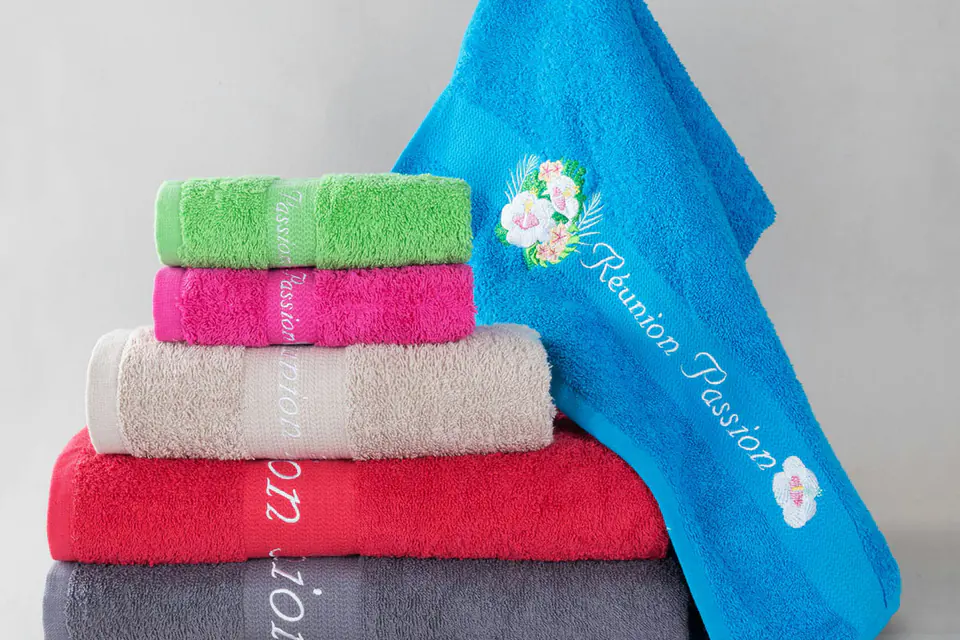
A name on a baby blanket, initials on a robe, a date on a wedding handkerchief, a pet's portrait on a tote. Embroidered gifts are usually one-offs, which makes them a natural fit for a small-shop or home embroiderer. A few details make the difference between a lovely gift and a reprint.
Spell it out, literally
Typos are the most common gift mistake, and thread can't be edited. Send the exact text as typed, with capitals, punctuation and any accents. For monograms, say the order: the classic three-letter monogram often puts the surname initial larger in the middle, but conventions vary, so show an example of the layout you want.
Choose a font the needle can draw
Embroidery fonts aren't the same as screen fonts. Thin scripts and small serifs may not stitch cleanly at small sizes. Most makers have built-in machine lettering that sews well; using one can avoid a custom digitizing fee. If you want a specific font, send its name and an example and ask whether it works at your size.
Say what it goes on
A fluffy towel, a fleece blanket, a linen napkin and a canvas tote all stitch differently. Towels and fleece need a topping so letters don't vanish into the pile. If you're sending your own item, say what it's made of; some makers ask for a spare or charge a handling fee for customer-supplied goods.
Pictures and portraits
A pet portrait or a drawing needs digitizing, which is a one-time cost per design. Simple line art is quicker and cheaper than a shaded photo. Ask the maker how much detail will survive at your chosen size.
Plan the timing
Give the real date you need it in hand, plus shipping time. Gifts have hard deadlines, and a deadline inside 24 to 48 hours is a rush job; one pricing guide puts typical rush surcharges at 25% to 50% of the total. Ordering two or three weeks ahead leaves room for a proof and shipping.
Ask for a proof
Ask to see a digital mock-up, or a photo of the test sew-out, before the maker stitches the real item. It's the cheapest moment to catch a misspelling or a color that's off.
Budget for one
On a single item, setup and any digitizing make up much of the price. The embroidery price calculator shows how those one-time costs and the stitches add up.
Embroidering your own garments: how to send in a jacket, bag or blanket
Some of the most satisfying embroidery jobs start with something you already own: a denim jacket, a work bag, a baby blanket, a robe. Many embroiderers take customer-supplied items. Here's how to make it go smoothly.
Tell the maker what it is
A maker needs to know the fabric before they quote, because fabric decides the stabilizer, the needle and sometimes the digitizing.
- What the item is and the brand or a product link if you have one.
- Fabric content: cotton, denim, fleece, terry towel, nylon, leather, knit.
- Where the design goes and how big, measured on the item itself.
- Photos, including the area to be stitched and the inside if it's lined.
- Anything in the way: seams, pockets, zips, padding, a lining that shouldn't be stitched through.
Fabric matters
- Stretchy knits (T-shirts, hoodies) need stabilizer so the design doesn't distort.
- Towels and fleece have pile; a design can sink in without a topping or knock-down stitch.
- Thick or padded items (puffer jackets, quilted bags) can be hard to hoop and may suit a patch instead.
- Leather and vinyl keep every needle hole; there is no unpicking a mistake.
- Finished bags and backpacks may not open far enough to reach the stitching area with the hoop.
Will the design fit?
Every machine has a fixed sewing field, often smaller than the hoop name suggests. A jacket back may need a large-field machine or a design split across hoopings. You can check a size against common fields with the free hoop size calculator.
Handling fees and spares
Some makers charge a handling fee for customer-supplied goods, and some ask for a spare when you send several items. That's not unreasonable: if a one-of-a-kind item is damaged, they can't replace it from stock. Ask about it up front, and if the item is irreplaceable, say so. Some makers will suggest a test stitch on a similar fabric first.
Shipping it
Pack the item clean and dry, in a bag inside the box, with a note of your name and the job. Agree with the maker on how it comes back and who pays the return shipping.
Post it
Post your gift with the text or artwork, the item and the date. There's no minimum, and the payment is protected until the gift arrives and you confirm delivery.